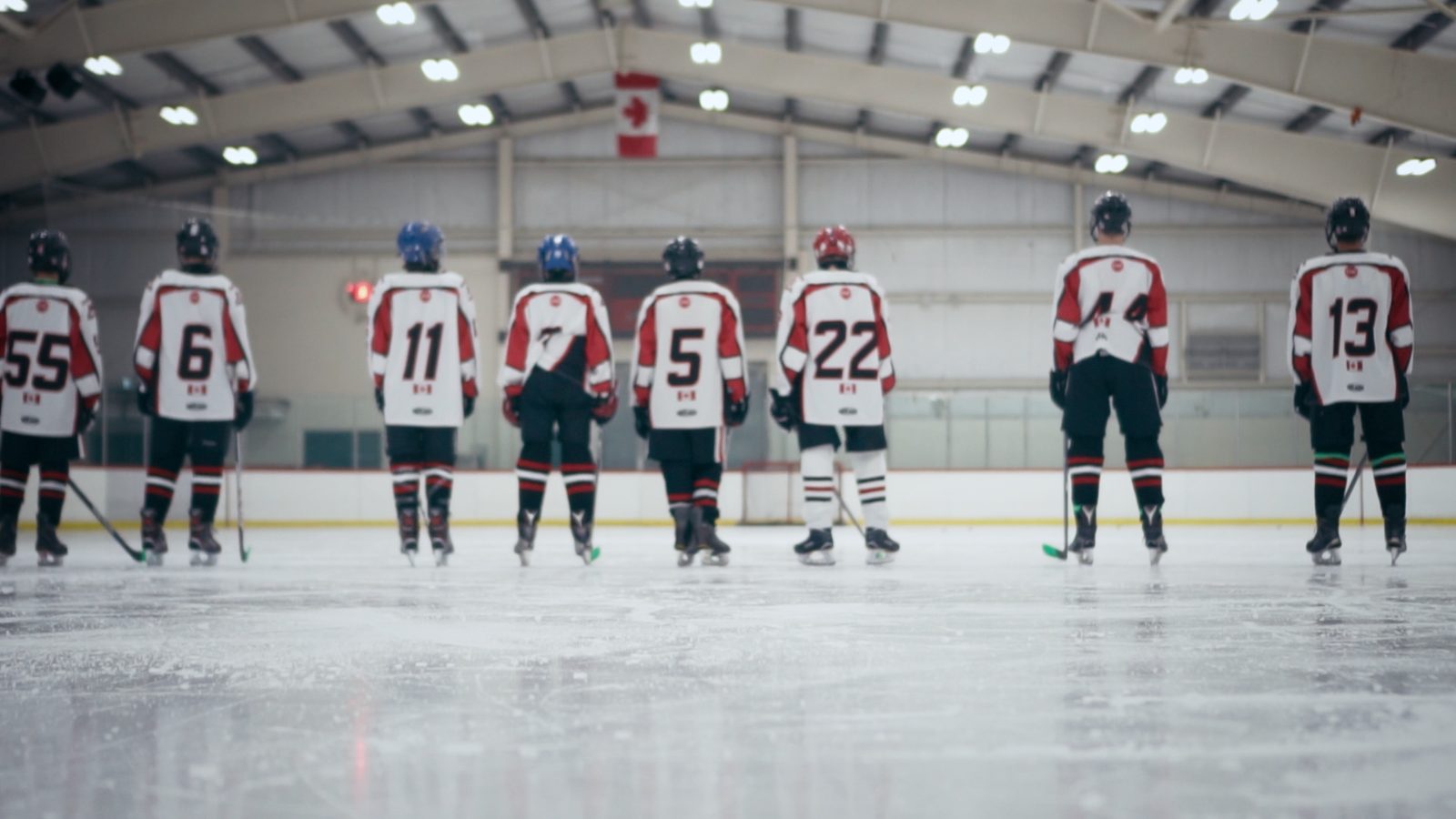
How to Use This Guide
There is more here than one session can hold. That is deliberate. Take what your room needs.
Four things are worth reading before you screen anything: what the film is, what it asks of a room, and what to do if somebody tells you something afterward. Those are sections 02 through 05. The rest you can pick from on the day.
The last four sheets are built to be photocopied. Print them, run them off, hand them around. Nothing on them needs the rest of the guide to make sense. Two of them are for other people: one goes home in a backpack, and two go in the hand of whoever is actually running the room, which may not be you.
The film runs 29 minutes. A Buddy Check coaches' chat runs about 15. A coach planning a practice can fit the film, the chat and a real conversation inside one hour.
One class period is enough. Setting the room takes five to ten minutes, the film takes 29, and a 60- or 75-minute period leaves you twenty to thirty-five for two or three questions. If you have a second period the next day, use it to come back to what the room said.
In a library or a hall, add ten minutes at the end. People stay to talk.
About the Film
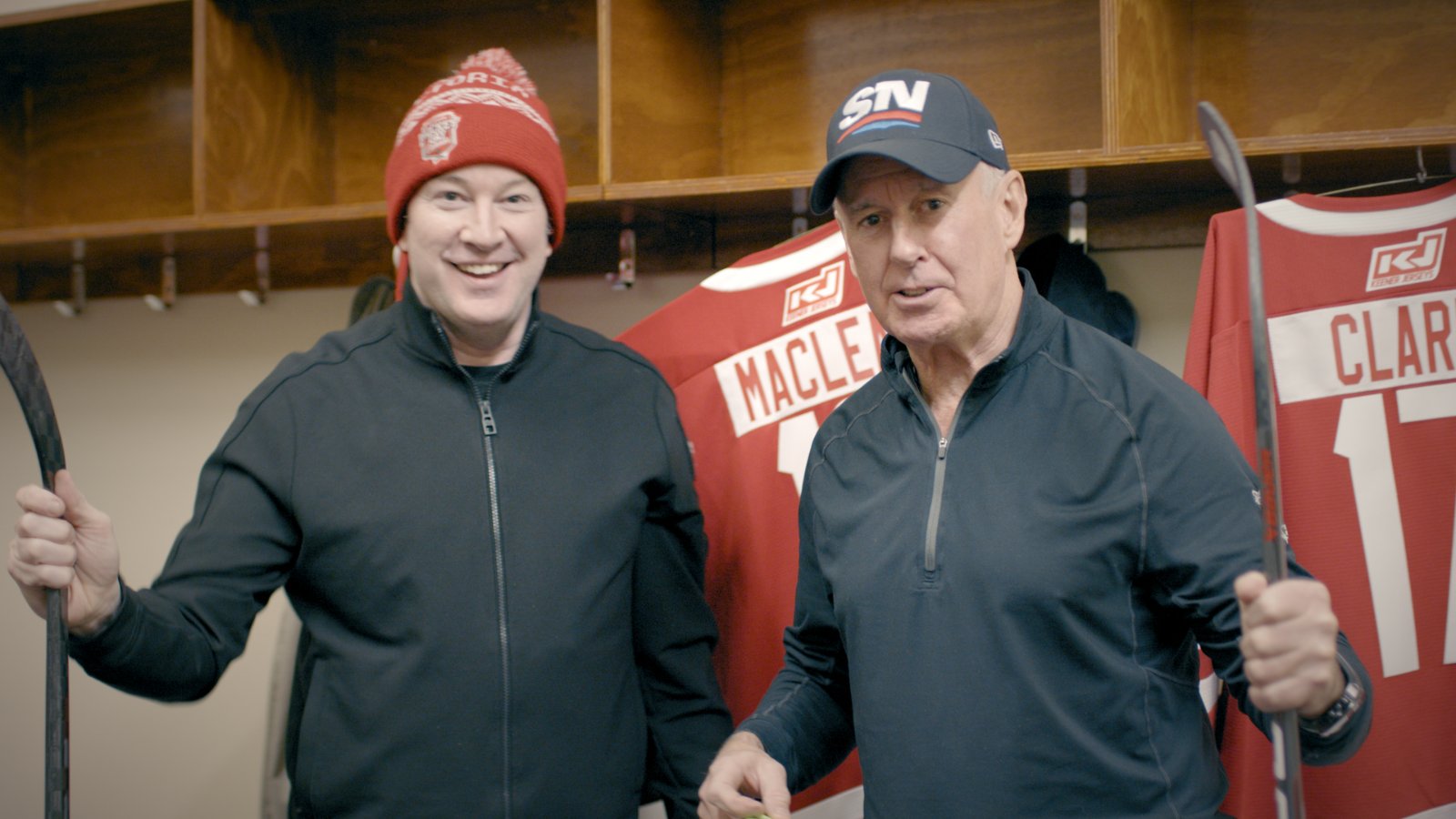
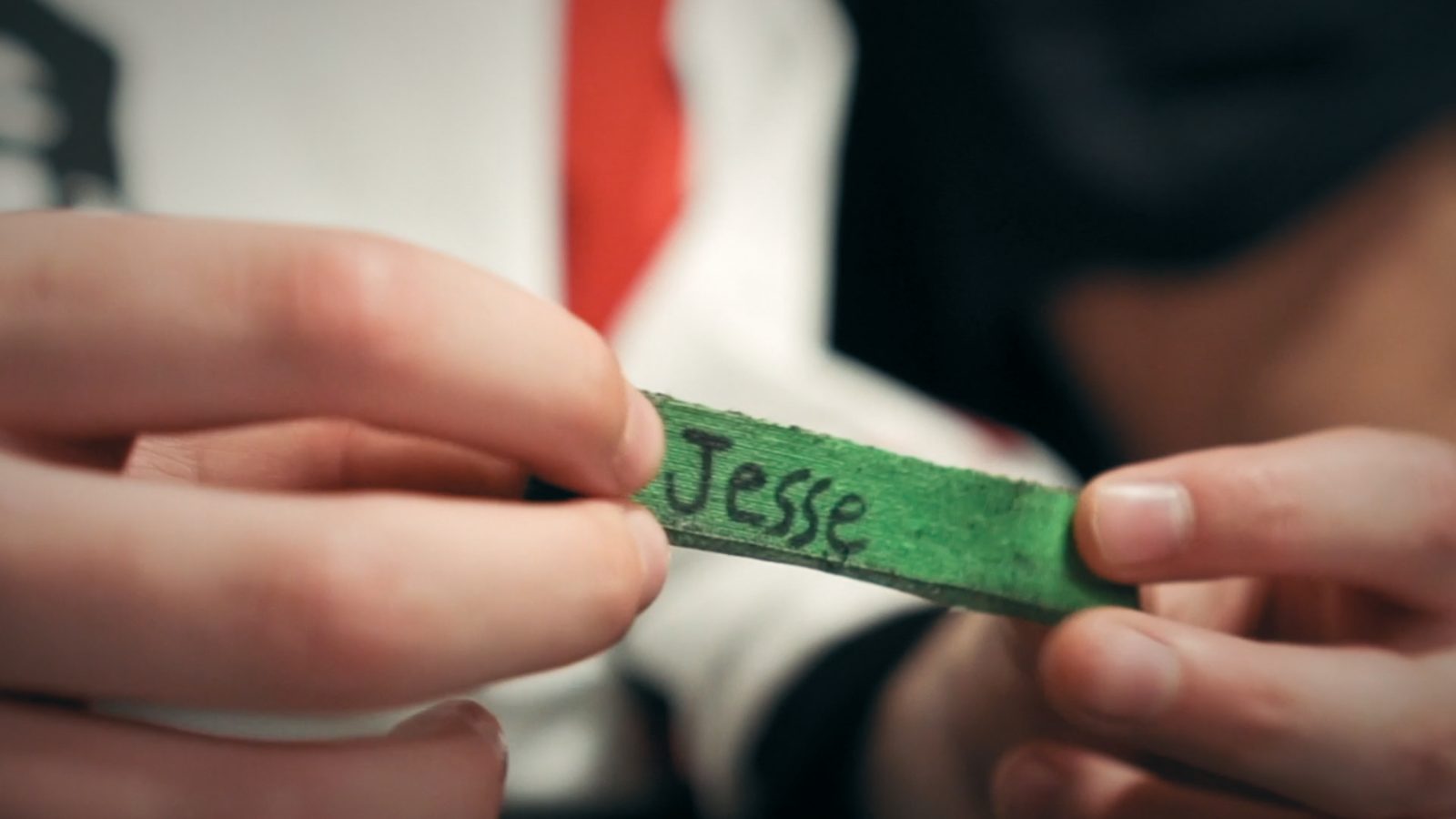
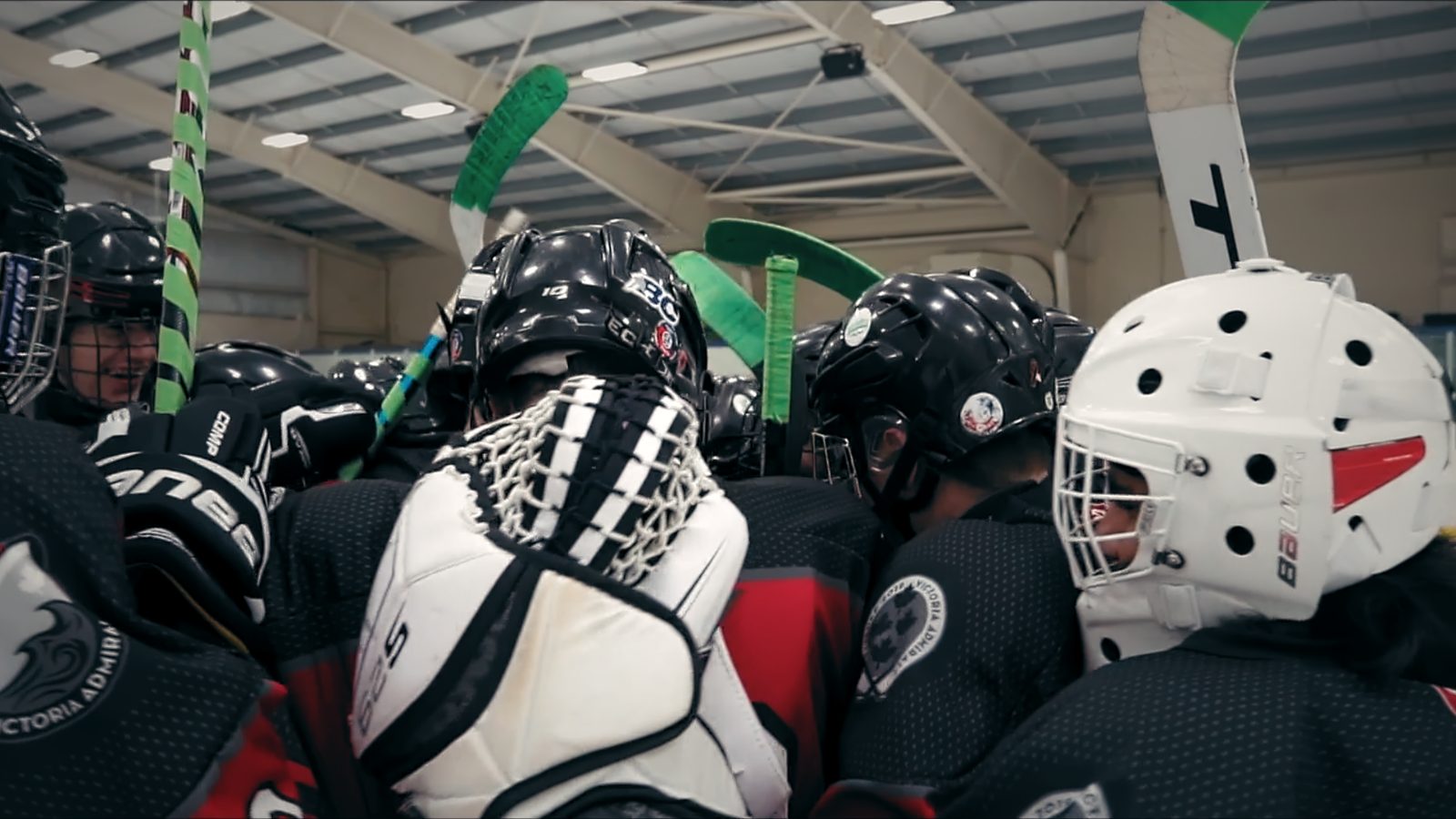
Buddy Check for Jesse is a 29-minute documentary about a grassroots mental health awareness program that helps coaches support youth through the power of sport. After the loss of his son Jesse to suicide, Stu Gershman, a Victoria physician, began a small ritual in a Victoria, BC hockey locker room: a coach-led conversation about mental health, marked by green hockey tape on every stick. That ritual has grown into a national program now reaching more than 18,000 youth athletes across Canada.
The film follows Stu as the program reaches Hockey Day in Canada, and follows first responder Robyn Vandersteen as she takes it to Manitoba, where together they carry it beyond hockey into new sports. Through their voices and those of young athletes like Carson Strom, coaches, and clinicians including sport psychologist Dr. Bruce Pinel, the film makes a quiet argument: that culture change in sport begins with the people kids already trust most.
This is not a suicide prevention session. Coaches and teachers are important mentors, and they are not mental health professionals. The goal is awareness, and giving young people language for noticing when a teammate is struggling.
Younger than Grade 8?
The full film is built for Grade 8 and up. For U11 and U13 teams and for elementary classrooms, the Society's coaches' chat is the right tool. It is already age-adapted, it runs about fifteen minutes, and the scripts are free at buddycheckforjesse.com.
Jesse
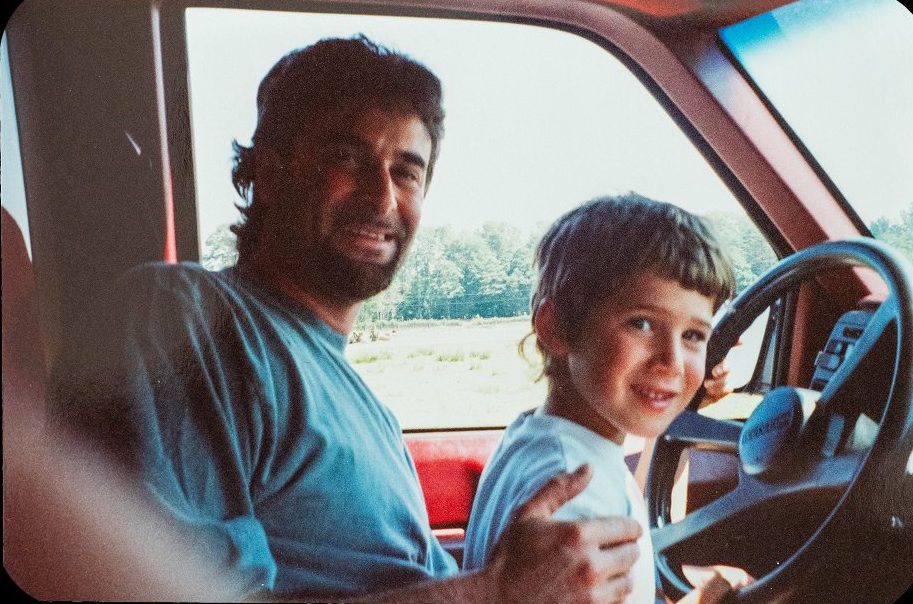
Jesse Short-Gershman is Stu's son and a brother to three: Max, Zak and Ashley.
As a kid he kept a running tally of every stair he ever climbed, into the hundreds of thousands. He golfed, well enough to be good at it and clear-eyed enough to decide that being in the top hundred was plenty. He won bags, balls and trophies at tournaments and flipped them on eBay for a profit. He went on to work at Google. He was warm, funny, talented, and much more than his worst moment. Learn more about Jesse in the film.
In June of 2014, Jesse had told his family he was struggling. They heard him. They went and brought him home, and he spent time in hospital at his own request. He died by suicide on October 29, 2014, at age 22.
With Buddy Check for Jesse, Stu built a reason to keep saying his son's name out loud. It started when he saw the need and took a few minutes in the dressing room of a team Jesse's brothers played on, because their teammates deserved to know something was going on with one of them. Every green-tape talk since has been another room full of people who never met Jesse, hearing about him.
- "He had a huge heart. He has a huge heart." Stu Gershman, in the film
If your group asks you what happened to Jesse, all of that is the honest answer, and it is enough. You do not need the details and neither do they.
- Died by suicide
- Not "committed," not "successful attempt." Nothing about how.
- No theory of why
- If someone offers one, say honestly that nobody in the film answers that, including his father.
- Present tense is allowed
- Stu says "he has a huge heart." A person is more than the day they died.
- He is not a lesson
- Jesse is not an example, a warning or a case study. Say his name the way you would want yours said.
Permission to Screen
You don't need to ask, and there's no fee.
Buddy Check for Jesse can be screened free of charge anywhere in Canada, non-commercially, by schools, libraries, sports teams and leagues, community organizations and workplaces. Play it from the film site, or email for a file if the wifi is bad. Please play it complete and unedited, credits included.
Charge nothing at the door. Donations go to the Buddy Check for Jesse Society. One request in return: tell us where you screened it, when, and roughly how many people were in the room. We keep count.
Fill out the short screening report form, or email buddycheckfilm@gmail.com with the details.
Recommended Settings
Schools
Grade 8 and up. Best with a counsellor or mental health professional in the room.
Sports organizations
Coach- or staff-led, ideally season-long rather than a one-off. The film runs 29 minutes and a coaches' chat about 15, so both plus a discussion fit inside one hour.
Libraries & community groups
A brief introduction and a clearly identified support person.
Post-secondary
Coaching certification, kinesiology, social work, education, media studies. Fits a 50- or 80-minute class. Varsity questions are in section 08.
Workplaces
Employee Assistance Program or practitioner involvement strongly encouraged.
Not assemblies
This film needs a room small enough for a conversation to follow, and for a facilitator to see faces.
Watching on Your Own
Most of this guide assumes someone is running a screening. If you are watching on your own, this part is for you.
Go at your own pace. The film sits with a family's loss and it doesn't rush, so give yourself the same room. Pause it, come back to it, watch it in two sittings. Taking your time with it is a way of taking it seriously.
Talk to someone after. The film is about what happens when people say things out loud. Text somebody. It works on you too.
If it brings something up, the numbers are here. 9-8-8, call or text, any time.
Content Considerations & Safety
Some people in your room have lost someone. Some are carrying something right now. Nothing below is about managing risk you are introducing. It is about being ready for what is already there.
The research behind showing this film is here.
Do not screen this in the weeks following a suicide or an attempt in your school, team or community. Grief in a room changes what a film does in it. Talk to your counselling team or your organization's crisis response lead about timing before you book a date.
Before you screen, please
Have crisis resources visible and accessible before, during, and after the screening. Print the crisis resource sheet and post it in the room. Identify a trusted adult or counsellor who is available for any participant who needs to step out or talk afterward.
Open the screening with a brief acknowledgement: "This film is about loss and about healing. If at any point you need to step out, you can. If you want to talk to someone, here is who is available."
Three things to settle in advance
Who is the support person
Name them out loud before the film starts. A room that knows who to go to uses them.
Where does someone go
A hallway, a library corner, an office with the door open. Somewhere that isn't a punishment.
What is your policy
Every school, district and sport organization has a duty-to-report policy. Find yours before you screen.
If a student in your group has been bereaved by suicide in the past year, talk to them and their family before the screening rather than after. Give them the option to skip it without an audience.
Why This Film Is Safe to Show
How suicide is portrayed in media is associated with what happens next, in both directions. Detailed, sensational coverage tracks with increased deaths. Coverage that foregrounds survival, coping and recovery tracks with reductions. Both patterns have been confirmed in Canadian data.1,2
Buddy Check for Jesse was built to sit with the second pattern: survival, coping and what the people around Jesse did next.
- No method is shown or described
- Not in the film, not in this guide.
- No single cause is offered
- The film does not explain Jesse's death by pointing at one event, because that is not how it works and saying so causes harm.
- Survival and response carry the film
- Most of the running time is about what people did afterward, and about young people who are still here and still talking.
- Help is visible everywhere
- Crisis lines appear in the film, on this site, in the guide, and on a sheet you can print and pin up.
- Reviewed for safe messaging
- By a mental health professional, against Mindset: Reporting on Mental Health and the Canadian Psychiatric Association's media guidelines.
Talking about suicide does not plant the idea.3 Exposure on its own does not put someone at risk. The risk the research describes is a narrower one, concentrated among young people already carrying vulnerability, and it is concentrated in the weeks after a death close to home.6,7 Safe messaging and a supported conversation reduce that risk rather than create it.
Take the protocols in this guide seriously for a different reason. A single death touches about 135 people, and roughly a third of them report a serious life disruption from it.4,5 In a room of thirty, someone has almost certainly already lost somebody. You are not introducing this subject to your group. You are joining a conversation some of them have been having on their own.
Sources
- Niederkrotenthaler T, et al. Werther v. Papageno effects. Br J Psychiatry 2010;197:234-43.
- Sinyor M, et al. Harmful and protective factors in media reports. CMAJ 2018;190:E900-7.
- Dazzi T, et al. Does asking about suicide induce suicidal ideation? Psychol Med 2014;44:3361-3.
- Cerel J, et al. How many people are exposed to suicide? Not six. Suicide Life Threat Behav 2019;49:529-34.
- Cerel J, et al. Suicide exposure: perceptions of impact and closeness. Suicide Life Threat Behav 2017;47:696-708.
- Swanson SA, Colman I. Exposure to suicide and suicidality in youth. CMAJ 2013;185:870-7.
- Gould MS, et al. Time-space clustering of teenage suicide. Am J Epidemiol 1990;131:71-8.
If Someone Tells You Something

You are not being asked to counsel anyone. You're being asked to be the person who knows what happens next.
Somebody in the room may tell you they're struggling, or that a friend is. Usually it comes after everyone else has left, in a doorway, in a sentence that sounds like it's about somebody else.
- Listen. Don't ask for details about method or plan. Nothing you need to do next depends on those details.
- Don't promise to keep it secret. Say instead that you'll help them find the right person, and that you'll stay with them while they do.
- If you believe someone is in immediate danger, call 911 and stay with them.
- Otherwise, connect them to your identified support person that same day, in person where you can.
- Follow your organization's own duty-to-report policy. Every school, district and sport organization has one. Find yours before you screen the film.
Words that work
- "You have seemed a bit off this week. What is going on?"
- "Thank you for telling me. I will stay with you while we work out who you talk to next."
- "This sounds heavier than a rough week. I want to get the right person in here with you."
You do not have to ask about mental health directly, and you are not expected to assess risk. Naming what you notice and staying until the right person arrives is the job. If you have safeTALK or ASIST training, use it.
And tell someone yourself. Sitting with this takes something out of the person running the room too.
Before You Screen
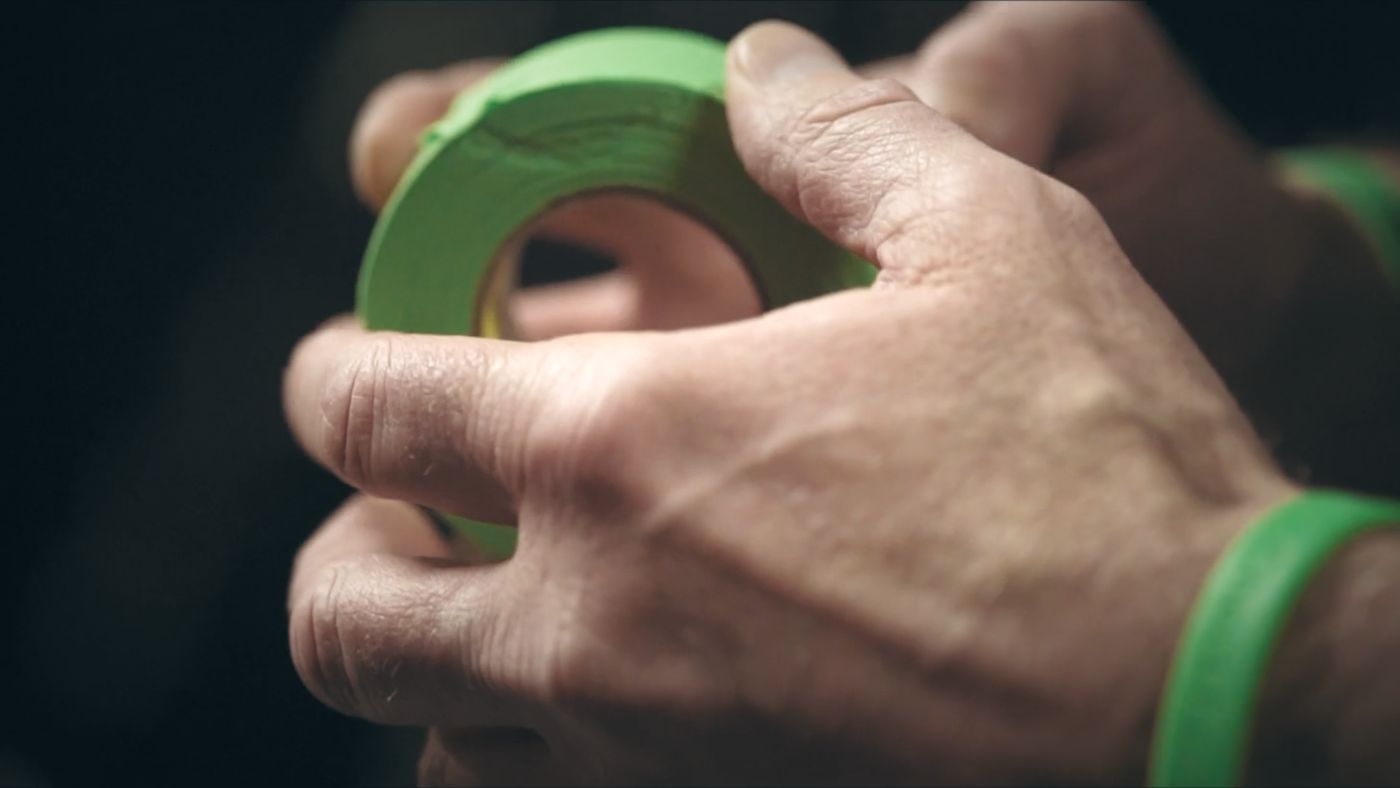
Take five to ten minutes before the film to set the room. You are not lecturing. You are making space.
Setting the room
Before the film starts, agree on how the room will work. Ask the group for their own rules rather than reading a list at them. They'll come up with most of these, and the ones they name themselves are the ones they keep.
- What's said here stays here. Names don't leave the room.
- Nobody has to talk. Passing is a full answer.
- You can leave. No explanation needed, and no one follows you out unless you want them to.
- Speak for yourself, not for someone who isn't here.
- This is a conversation, not a debate. Nobody is trying to win.
Write them where everyone can see them. Leave them up for the discussion.
If you want this part scripted word for word, The First Five Minutes is a page you can read out loud.
Opening questions
- What do you already know about mental health in sports?
- Who is someone, a coach, teammate or family member, who has been a "buddy" to you?
- What's something you wish people talked about more openly?
Key Themes
- Grief and meaning-making
- How does a parent carry an unbearable loss? What does it mean to honour someone by building something in their name?
- Pressure in sport
- Locker rooms have long been spaces where athletes are taught to perform toughness. What changes when players are asked, out loud, how they are actually doing?
- The role of the coach
- Why do coaches occupy a unique position in a young athlete's life, and what responsibility does that carry?
- Language as care
- A central idea in the film: the next generation is finding new words for old feelings. What does "buddy checking" actually look like?
- Symbol and ritual
- Green tape, coaches' chats, conversation cards. Why does a movement need objects?
- Mental health is invisible
- Nobody tells someone with a broken leg to get over it. Why do we still say a version of that to someone whose injury doesn't show?
- Buddy check the officials too
- The referees and linespeople are usually teenagers. They take abuse from the stands, from players, sometimes from coaches, and almost nobody checks on them. Who in your rink or gym might be overlooked as someone affected by the stress in the environment?
Post-Screening Discussion
The questions here are more than any one session can hold. Pick two or three that fit your group and let those go somewhere. One question reached honestly is worth more than nine got through.
Let the silence after the credits run before you open the discussion. Audiences often need a moment to gather themselves before they can speak.
For all audiences
- What moment in the film stayed with you the most? Why?
- Stu answered his own loss by building something for his surviving kids and 18,000 others. How is honouring someone through action different from remembering them?
- Why do you think Stu chose a hockey locker room as the place to start? What is it about that space?
- Robyn says that in her generation, they "didn't have the dialogue to ask for help." What is different about the language your generation has? Where did you get it?
- Green tape, laces, a wallet card. Each one is a reminder that makes a hard conversation easier to start. Why does a ritual do work that an announcement cannot?
For young athletes
- "I am fine" is the first answer almost everyone gives. What would someone have to do to get a real answer out of you?
- Have you ever wanted to check in on a teammate and not known how? What would have made it easier?
- Who is the adult you would actually go to? Does that person know it?
- If you were the one struggling, what would you want a teammate to do about it?
For coaches & educators
- What signals, visible or invisible, do you use to read your athletes' or students' wellbeing?
- How do you balance pushing for performance with checking in on the person?
- What's one specific thing you could carry from this film into your next practice, class, or shift?
For families & parents
- How do you talk to the young people in your life about hard feelings?
- What barriers exist in your own household to those conversations?
- Stu started talking about the hardest thing in his life in front of rooms full of strangers. What would make that possible for you?
Post-secondary & varsity athletes · University and college teams, kinesiology and coaching classes
A lecture hall or a varsity dressing room holds a wider range of ages and reasons for being there than a classroom does. Pick what matches the room in front of you, and still take only two or three.
- Carson heard this message as a kid and now carries it to other players. Who passed something to you that you would be willing to pass on?
- Varsity sport asks you to be tough in public. What does that cost, and who pays it?
- Dr. Bruce Pinel puts it at about 35% of elite athletes dealing with mental health issues, and says the real number is higher because that is only the people who report it. Does that surprise you, thinking about the athletes in the sports you follow?
- Attention follows whoever is playing well. Who on your team is easiest to overlook, and who would notice if they went quiet?
- You are older than the athletes who look up to you. What are you modelling for them, whether you meant to or not?
Adult & community rooms · Library screenings, staff rooms, workplace and service groups
A library screening or a staff room holds a wider range of ages and reasons for being there than a classroom does. Pick what matches the room in front of you, and still take only two or three.
- The program started with one locker room and reached 18,000 athletes without a marketing budget. What made it travel? What would stop it in your own field?
- Stu built this as a father, not as a mental health professional. Where does peer support end and clinical care begin, and what is the role of our community and relationships in supporting one another?
- The film argues that culture change in sport starts with the people kids already trust. Who is that person in your profession, and what would it take to equip them?
- The film never shows the loss itself. What does that restraint make possible, for the audience and for the family?
If the room goes sideways
- Nobody talks
- Ask everyone to write one line instead, then read a few aloud without names. Silence is not failure. It usually means the film is still working.
- One person talks for everyone
- "Let me hear from someone who has not gone yet." Then wait longer than feels comfortable.
- Someone jokes it away
- Let the laugh land. Deflection is how a lot of rooms survive hard subjects. Return to the question once, and let it go if it does not take.
- Someone discloses in front of everyone
- Thank them, do not ask for details, move the room gently on, and find them afterward. Section 05 covers what comes next.
Activities & Extensions

Check in on one person
Five minutes, privately, to one person they want to check in on. Let the form be whatever your room allows and whatever they would actually use: a text they send when the bell goes, a message on an app, a note on paper. Nobody has to share it and nobody has to send it. If devices stay away, hand out paper and envelopes.
Green tape pledge
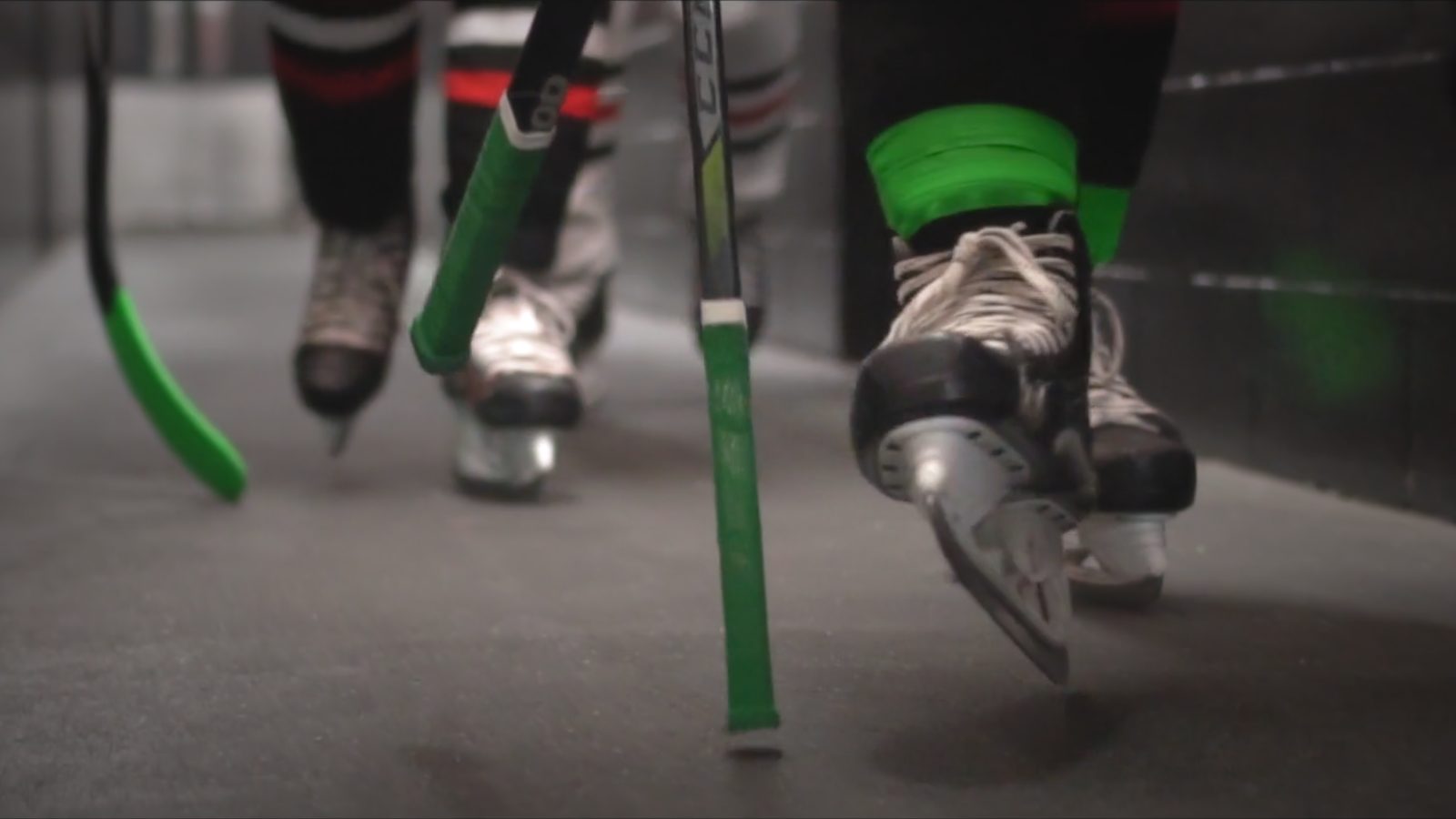
For sports teams: end the session with each athlete taping a small piece of green tape to their stick, glove, helmet, or wrist. The tape faces outward, and that is the point: it tells the rest of the room this is someone you can talk to. What it stands for beyond that is theirs to decide. For some it is a commitment to one specific teammate that season. For others it stands for what mental health means to them, or someone they have already lost. Say all of that out loud, then leave them to it.
The language inventory
In small groups of four to six, participants list every word or phrase they've heard for "I'm not okay": slang, metaphors, silences. Discuss: which feel safe? Which feel limiting? What's missing?
Movement mapping
Older students or community groups: research and map other peer-to-peer mental health movements, such as Bell Let's Talk, R U OK? or Headstrong. What's similar? What's distinct about Buddy Check for Jesse's locker-room model?
Say it back to Stu
Older audiences: tell Stu Gershman what you would say to him, having just watched the film. A letter, a paragraph, a message you draft and never send, a voice note to yourself. Not for grading and not for sending. The point is putting into words what the film asked of you.
Taking Action
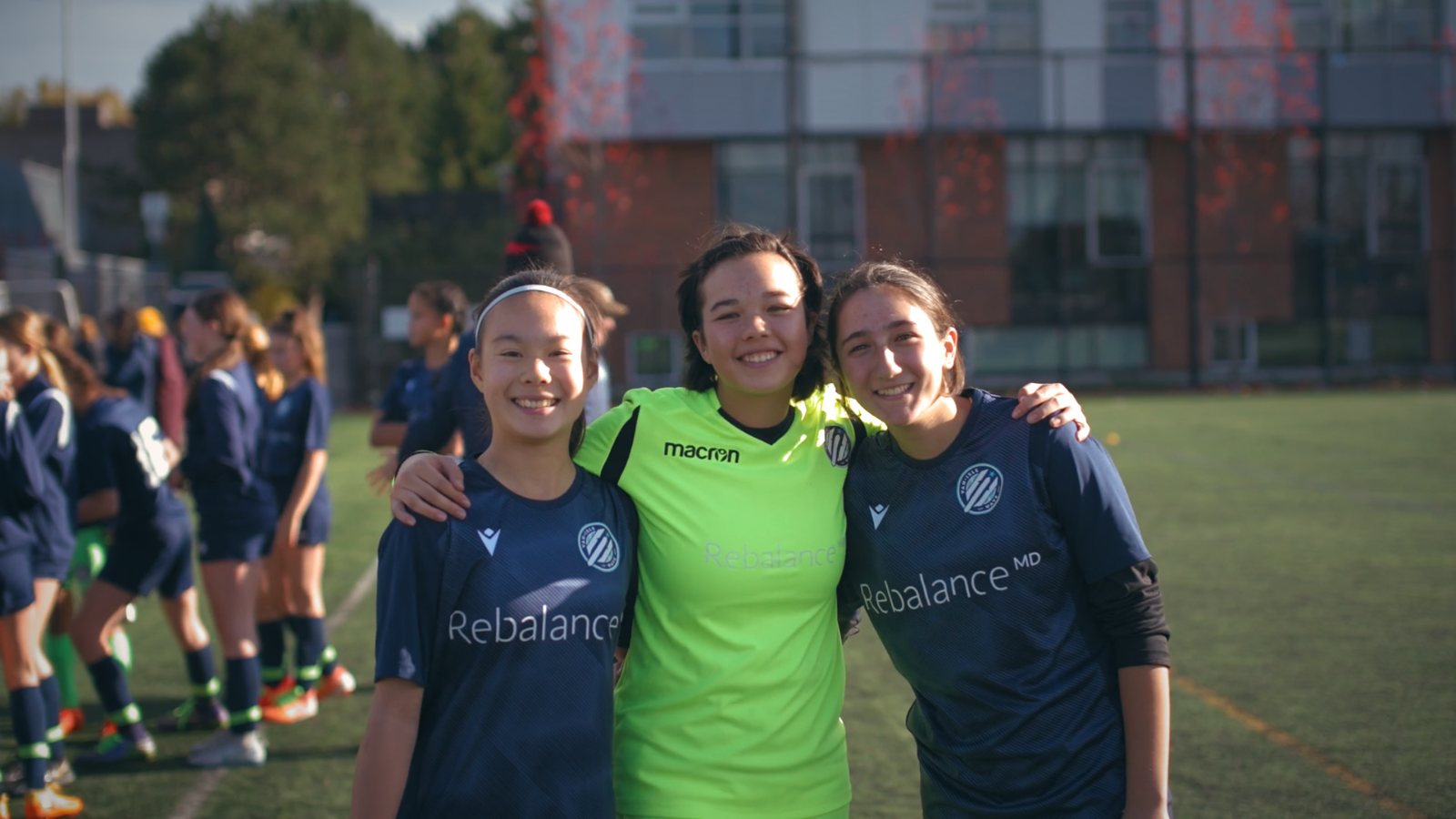
If your group is moved to do something, here is what already exists to use.
- Bring the program to your team. Buddy Check for Jesse runs free of charge for teams across Canada. Sign up at buddycheckforjesse.com.
- Use the coaches' chat scripts. The Society writes them to be read aloud, and they run about 15 minutes. Download them at buddycheckforjesse.com/coaches-notes.
- Hand out the BUDDY card. A printed wallet card each athlete keeps. Ask the Society for a set for your team.
- Get the green. Tape, laces, wristbands and bag tags. The Society can help you source them.
- Donate to the Society. The program is run by a registered charity. Direct donations support kits, coach training, and outreach.
- Host another screening. Pair the film with a follow-up event: a coach panel, a Q&A, a counsellor visit.
- Check in. Today. On one specific person. By name.
The program runs year round. Teams and schools book their chat whenever it fits their season, so any month is the right month for a screening. If you want a peg to hang it on, the start of a season, a schedule break, or a wellness week all work.
Curriculum Correlations
Grade 8 and up. The strands below are where the film and this guide fit most directly. Treat it as a starting point for cataloguing and confirm against your province's current revision.
| Province | Course | Strand or outcome area |
|---|---|---|
| Ontario | Health & Physical Education, Gr. 8; Healthy Active Living Education, Gr. 9 to 12 | Strand A, Social-Emotional Learning Skills (Emotions, Coping, Relationships). Healthy Living: mental health literacy, help-seeking, substance use and related behaviours. |
| British Columbia | Physical & Health Education 8 to 10; Career-Life Education | Mental well-being: signs of mental illness, strategies to support others, sources of help. Big idea: advocating for the health of others connects us to our community. |
| Alberta | Health & Life Skills, Gr. 8 and 9; Career & Life Management, Gr. 10 | Wellness Choices: emotional and social health, help-seeking and support networks. Relationship Choices: communication, conflict, supporting others. |
| Manitoba | Physical Education / Health Education, Gr. 8 to 12 | GLO 4, Personal and Social Management: mental-emotional development, help-seeking. GLO 5, Healthy Lifestyle Practices. Gr. 11 and 12 Active Healthy Lifestyles: mental health. |
| All provinces | English Language Arts; Social Studies; Media Studies | Writing for a real audience through the letter activities. Community action and civic participation. Documentary form, point of view and ethical representation through the craft questions in section 08. |
| Post-secondary | Kinesiology; Coaching; Education; Social Work; Film Studies | Coach as first responder, scope of practice, community-based program design, documentary ethics. |
Crisis Resources & Support
If you or someone you know is struggling, free help is available 24 hours a day.
Open the printable wall sheet. Large type, high contrast, one page for the locker room. The same sheet is the first tear-out in the PDF, next to a page for families to take home.
Canada - National
- 9-8-8 Suicide Crisis HelplineCall or text, 24/7, English & French 9-8-8
- Kids Help PhoneFor young people, 24/7. Text CONNECT to 686868 1-800-668-6868
- Hope for Wellness HelplineIndigenous-led, 24/7. Cree, Ojibway & Inuktitut on request 1-855-242-3310
- Provincial & territorial servicesFind local mental-health support canada.ca/mental-health
If someone is in immediate danger, call 911.
If you are unsure whether someone is at risk, ask them directly. The question does not plant the idea; research on this is clear, and it gives a person a way to say yes.
Resources verified August 2026.
The Four Tear-Outs
Four sheets, each one page, each free to photocopy. Nothing on them needs the rest of the guide to make sense.
Credits & review
Written by Michael Anthony. Developed with the Buddy Check for Jesse Society. Reviewed for safe messaging by Stu Gershman, MD, August 16, 2026.
Buddy Check for Jesse is produced with the support of TELUS STORYHIVE and is available for free on demand on TELUS Optik TV, Stream+ and STORYHIVE's YouTube channel. A documentary by Michael Anthony / Third Man Media. 29:24, closed captions, full transcript.
Guide © 2026. May be reproduced for non-commercial educational and community use. Institutions wanting a catalogued, captioned, curriculum-tagged copy hosted on their own platform can license it through McIntyre Media, mcintyre.ca. Inquiries: buddycheckfilm@gmail.com.
Version 1.0, August 2026. The PDF carries the same content in a printable layout, plus the four tear-out sheets.