Festival Journal · Coda
Coda: The conversation continues
On the work the film has started, and the work the youth are now carrying.
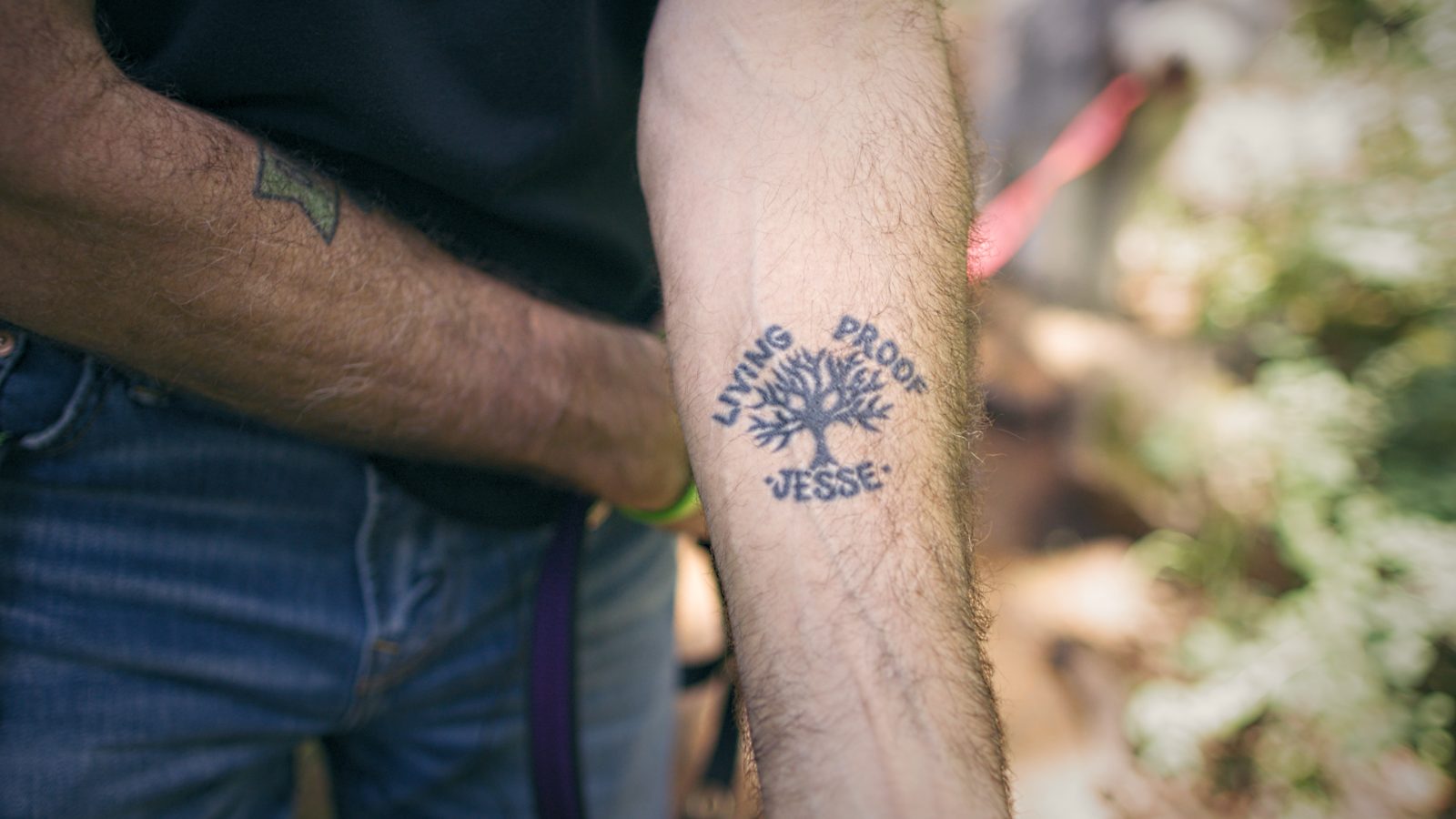
When people ask me at Q&As about getting started as a filmmaker, or about advice for someone wondering whether now is the right time to start a project, my answer is the same. Start now. The benefits of the work you are about to make are unimaginable to you sitting where you are. The people the work is going to bring into your life. The stories you are going to get to listen to. The doors that will open in places you did not know there were doors. Reasons you do not yet know exist.
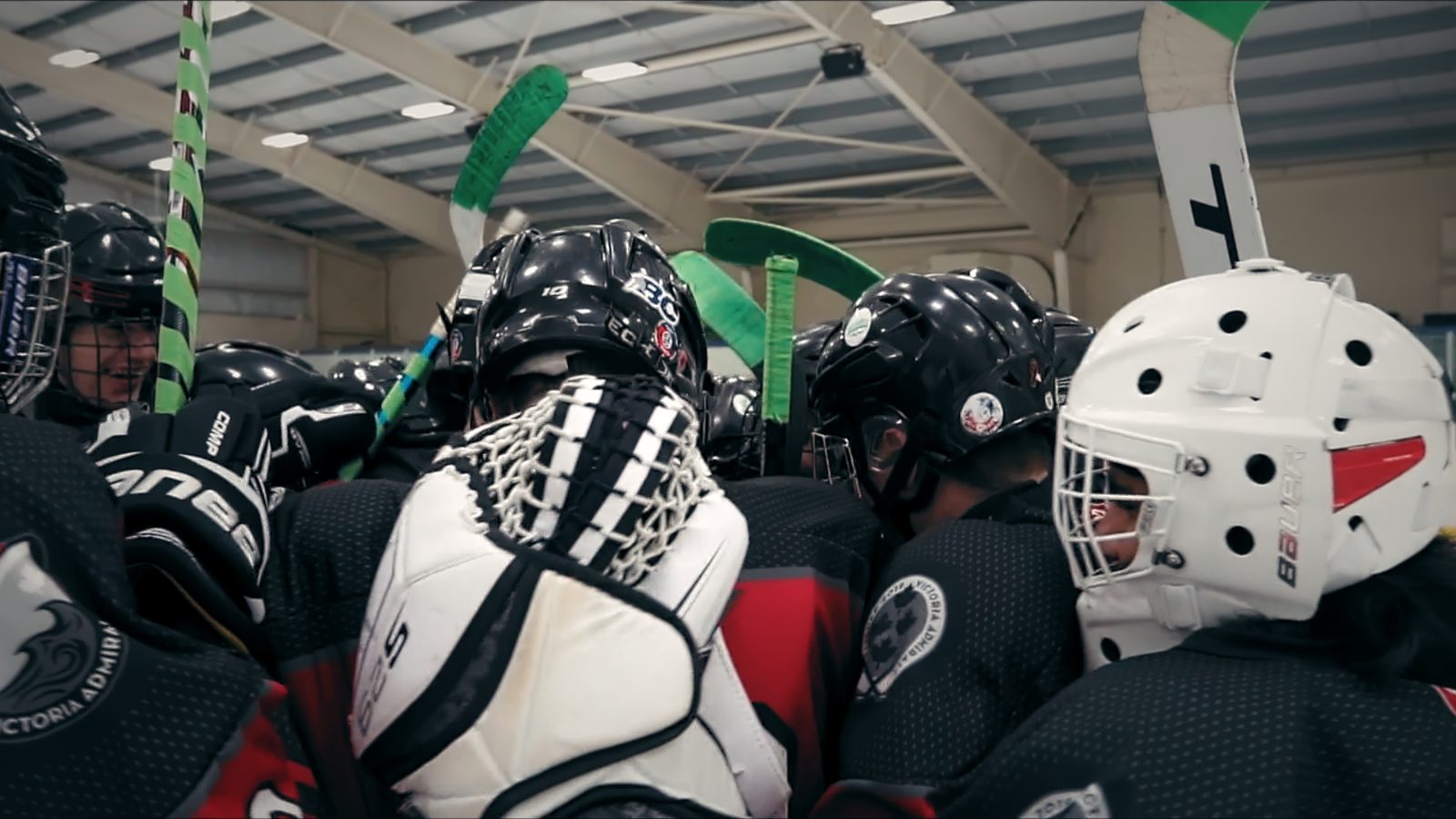
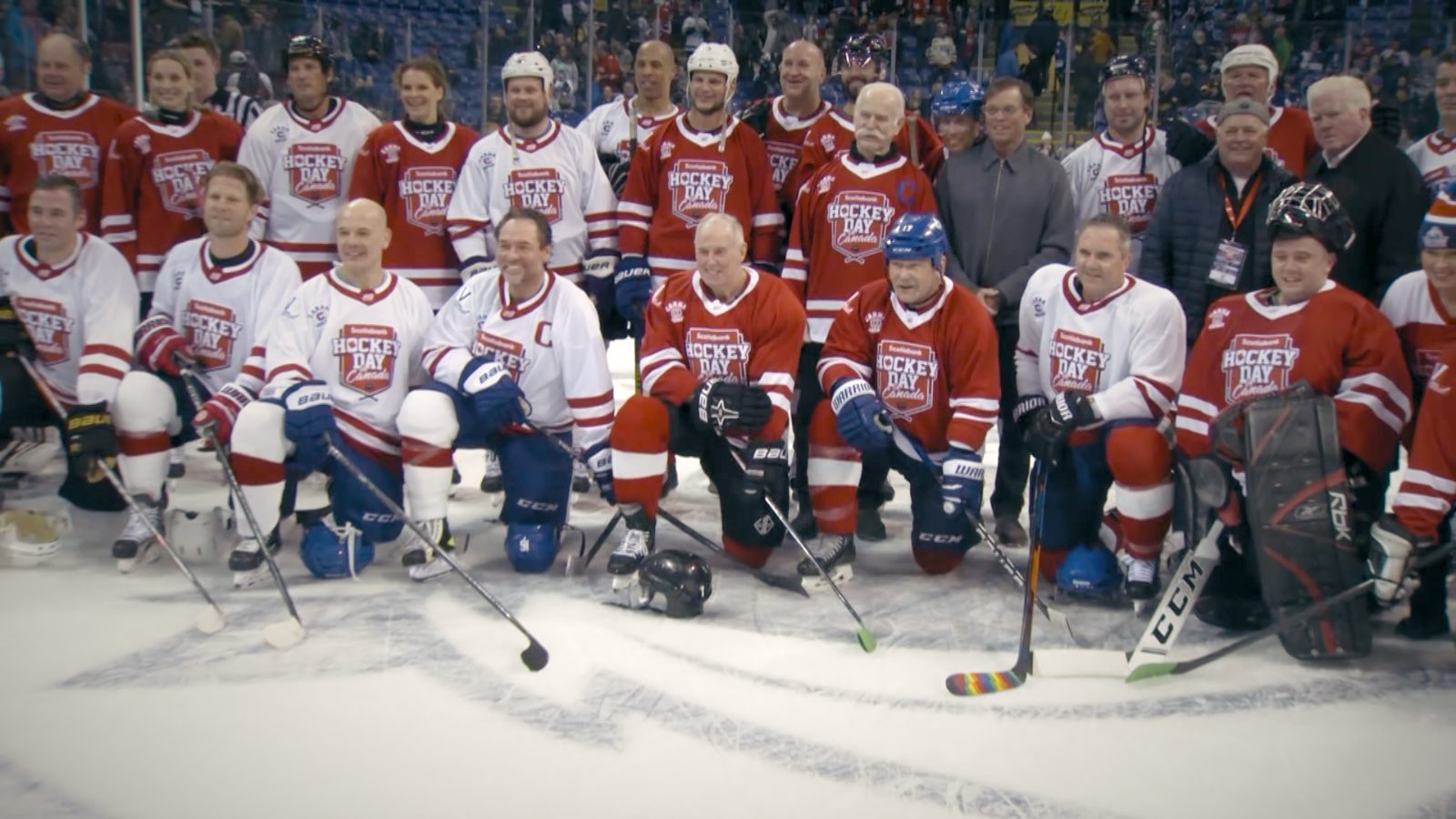
In October 2024, Hockey Day in Canada came to Victoria. Ron MacLean and Ken Reid stepped onto the ice at Save‑on‑Foods Memorial Arena with their sticks taped green in honour of Jesse, and on the broadcast Ron MacLean told a national audience that "compassion is the ultimate wisdom." Standing rink‑side, watching it happen, was not a moment I could have imagined sitting on that windy Victoria rooftop in 2020. The tour I was funded to run this fall was not, looking back, the whole of the conversation. It was a chapter. The conversation has been ongoing since the day Stu first walked into his sons' locker room, and the direction of it is increasingly being set by the youth who have grown up inside the program rather than by the people who started it.
That last part is what I want to spend most of this piece on.
Two choices we made in the film
There are two creative choices I want to record here, because they are the ones most often noticed in rooms.
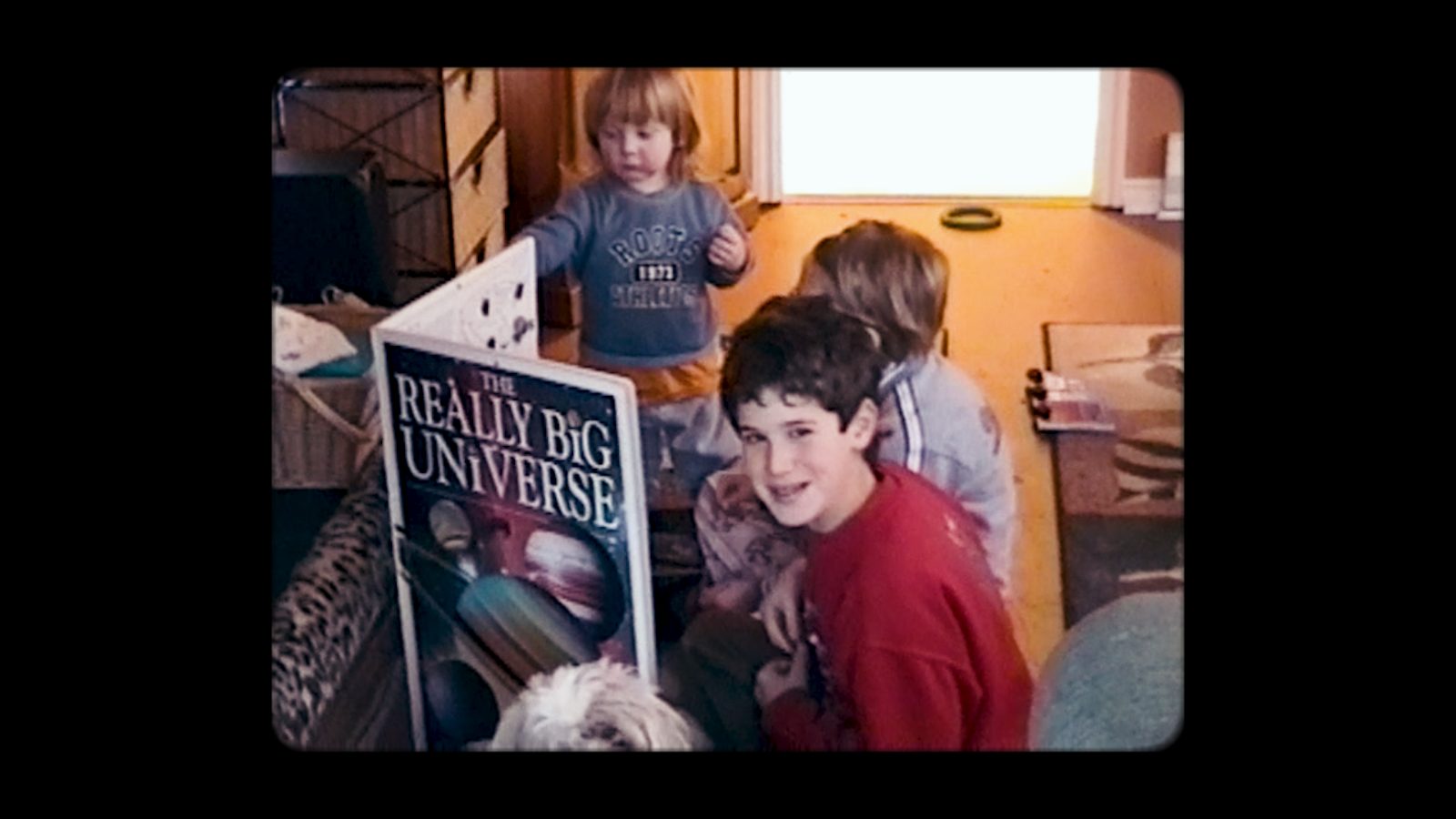
The first is that we depict Jesse at every age. The film moves through home videos and family photographs of Jesse as a baby, as a small child playing with his siblings Ashley, Max, and Zak, as a six‑year‑old by the water, as a teenager, as the young man who graduated UVic at twenty with the Governor General's medal and went to work coding at Google. I made that choice deliberately. People are more than their worst moments, and Jesse is more than the moment of his loss. I needed audiences to know him as a complete person before they sat with the fact of his absence, because that is the order in which his family and friends still know him, and because it is the order in which the film could honour him.
The second choice is the ending. Stu, in the final sequence, invites the viewer to accept the waves of grief, to experience joy and loss together, and the film cuts to black after he says "sign me up." We then hold on a final, sustained moment of Stu staring out, tearing up, riding the wave he has just described. Knowing what we know by then, about Jesse, about the locker rooms, about the programs that have grown out of all of it, the audience watches Stu actually feel it. The line lands, the emotion lands behind it, and the film asks the viewer to project their own feelings onto Stu in that long quiet moment and decide for themselves whether they agree. The choice was to give audiences somewhere to put what they were already feeling, rather than to tell them what to feel.
Both of those choices have been named back to me on the tour, by programmers and by audience members. They are the ones the film stands or falls on.
What the film is
The film is a conversation starter. It is not, strictly speaking, a suicide prevention film, and Buddy Check for Jesse the program is not, strictly speaking, a suicide prevention program either. Both are mental‑health awareness work. Both give people, especially young people, a language for noticing when they or a teammate or a sibling are struggling, and a few simple tools for opening the conversation that follows. The act of starting that conversation does not always lead somewhere happy. During production, we had a long exchange with Robyn Vandersteen, the long‑time first responder who carried the program into Manitoba, about what suicide prevention is genuinely meant to be for someone who is deeply hurting. The film does not have the runtime, or the right shape, to address that question with the care it deserves. We made the choice to leave that conversation outside the film and to design the film as an invitation to begin the larger work, not a comprehensive treatment of it.
What we did insist on, screening after screening, is that the moment we opened a conversation, the means of continuing it had to be physically in the room. A resource sheet at every door, with whichever local mental‑health partners we could place on the panel. None of that is a substitute for treatment. The point of providing it is that, if someone walks out of the film carrying something, they have somewhere to take it.
What the youth are doing now
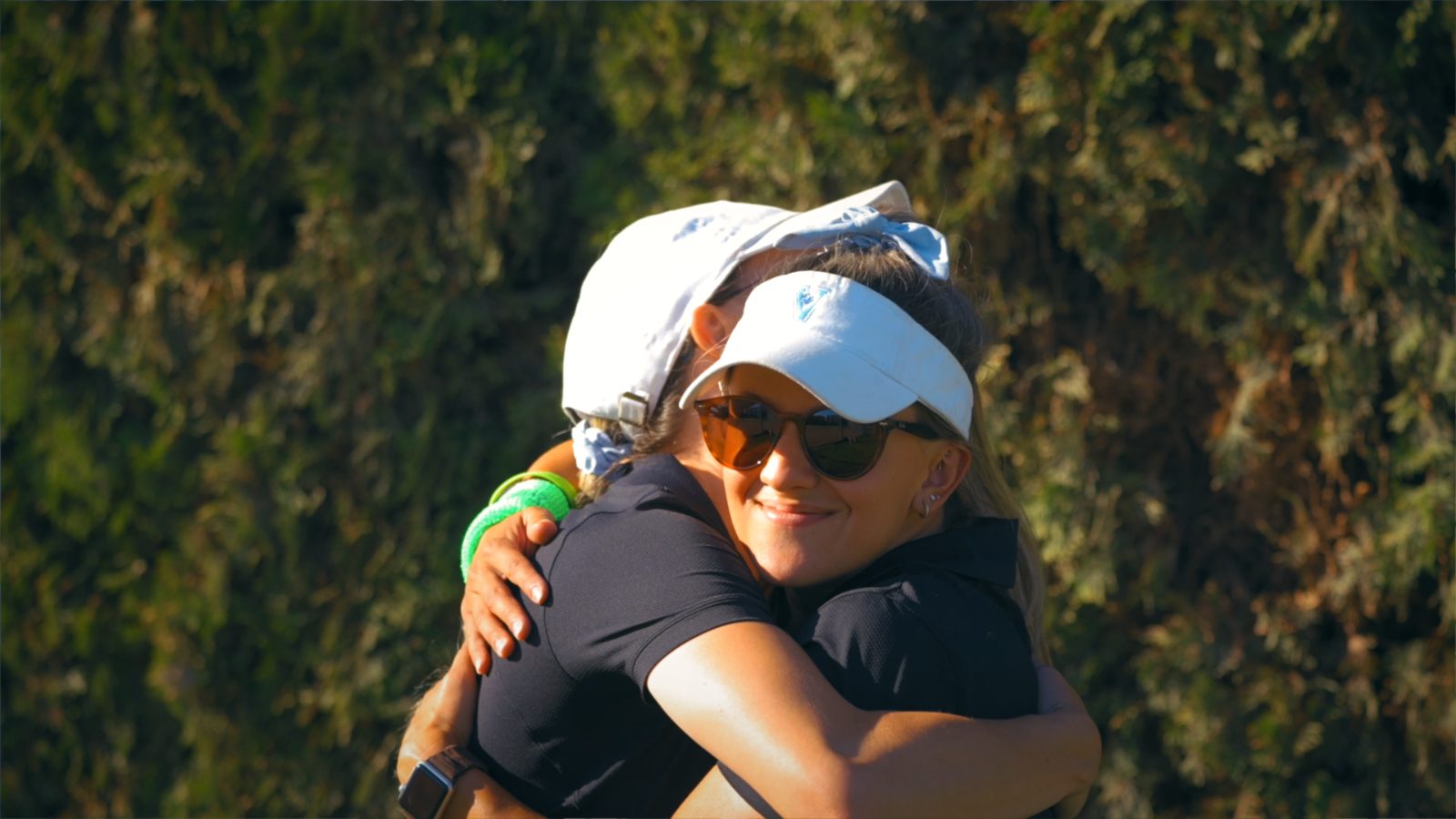
The most striking thing I have learned this fall is that the program has, in places, gotten ahead of the film. Buddy Check for Jesse now reaches more than 18,000 young athletes across hockey, basketball, soccer, softball, and volleyball in BC, Manitoba, and across Canada. In hockey rinks the players tape their sticks green; in soccer and softball and volleyball, the youth have made the symbol their own, with green ribbons in their hair, on their wrists, around their socks. The act of putting on green has spread far beyond what the program's earliest hockey‑rink years would have predicted.
Carson Strom, who appears in the film as a youth ambassador, was personally helped by the program as a young teen. At seventeen, he decided to become one of the people delivering coach's talks to the minor hockey teams coming up behind him. He now plays university hockey at UVic, carrying the same message forward. Owen Goulet, who appears in the film through the cage of his helmet, is one of those eighteen thousand. Robyn Vandersteen has said, of her own generation: "If our generation had that language, they would still be here." That is what the program is for. The film is one way to introduce a generation to a language they did not have. The youth who have it now are deciding what to do with it.
What is next
The feature‑length adaptation is in development. Where the short film introduced the program by telling Jesse's story and documenting Stu's journey, the feature is going to follow what comes after. How the language gets taken up by young people. How it moves through teams and families. How the core principles of care get adapted, rather than imposed, by the communities the program is reaching. It is a chance to watch a coach who started speaking openly with his sons' hockey teammates be replaced, gently and in the right order, by the kids who heard him and decided to keep going.
Alongside the feature, we are working with the Buddy Check for Jesse Society on educator and coaches' guides for use inside schools, leagues, and locker rooms. Those are the deliverables that matter for the program's next phase, and they are where the day‑to‑day work of carrying the conversation forward will actually live.
The conversation has begun. Increasingly, it is being carried by the people we made the film for.