Festival Journal · Recap
Recap: NWIFF, New Westminster
On pairings. A Sunday afternoon double bill with Kagan Goh's Common Law, October 26, 2025.
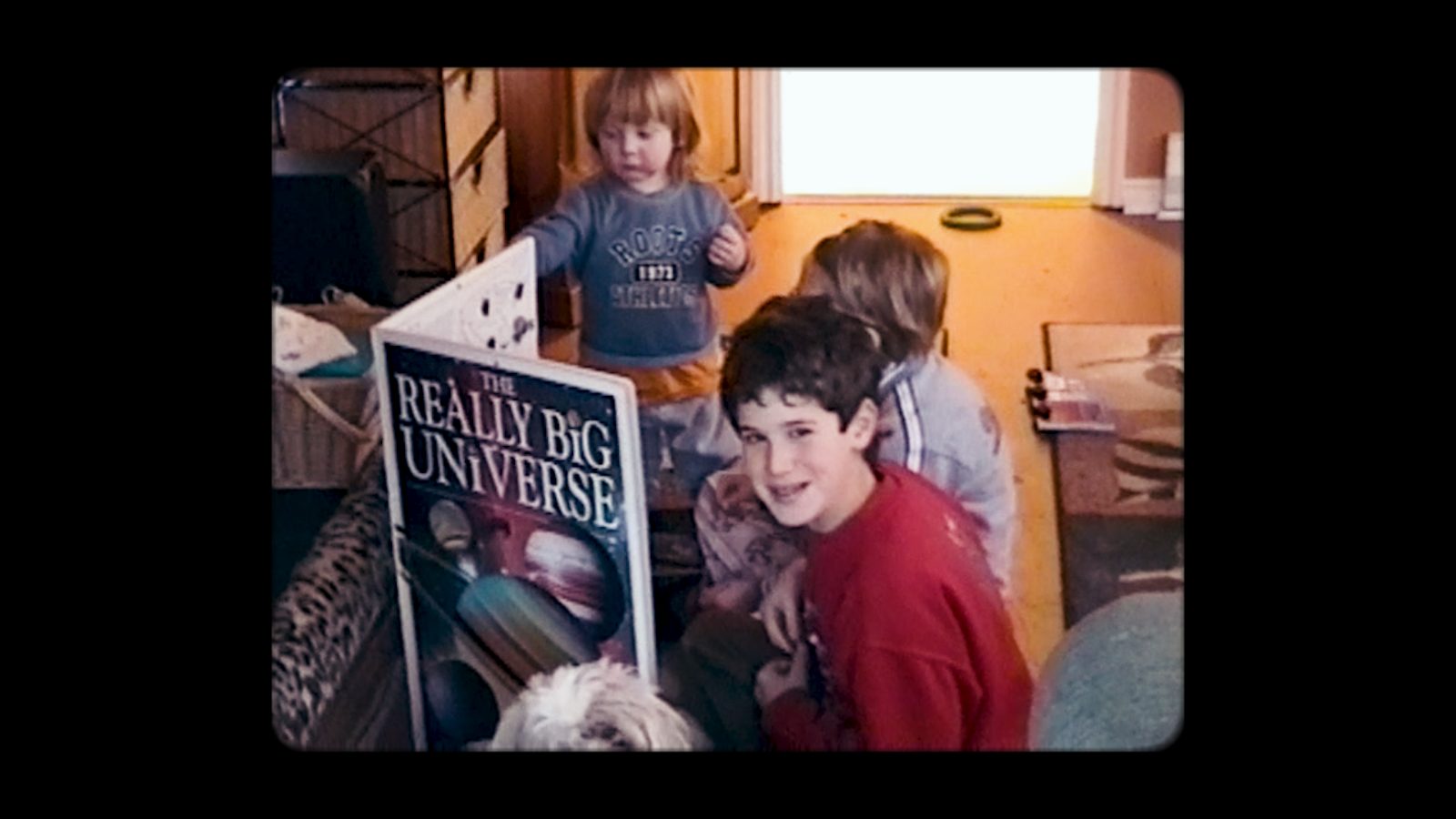
Sunday afternoon, October 26, 2025. Landmark Cinemas in New Westminster, the festival's home for its 15th edition. Stu Gershman, his wife Nikki, and I had all caught the ferry over from Victoria together that weekend.
The pairing came first
Cathy Sostad, NWIFF's programmer, did something I want to call out before anything else, because it shaped the entire afternoon. She paired Buddy Check for Jesse with Common Law, a narrative short by the Vancouver writer and filmmaker Kagan Goh, drawn from Kagan's own lived experience of a bipolar diagnosis. Two films back to back, both about mental health, both made by filmmakers willing to share their experiences and lead with vulnerability. The audience moved from one film into the next without losing the thread.
NWIFF received 86 submissions from 12 countries that year. The selection was competitive and went through both programming review and a volunteer screening committee. According to the post‑festival report Cathy later wrote, our screener committee was unanimous, and one of the screeners noted simply that the film shows "how one man has changed so many lives in such a positive way through his own story of grief." We hadn't met any of them before. They had just watched the film and recognized it.
The room
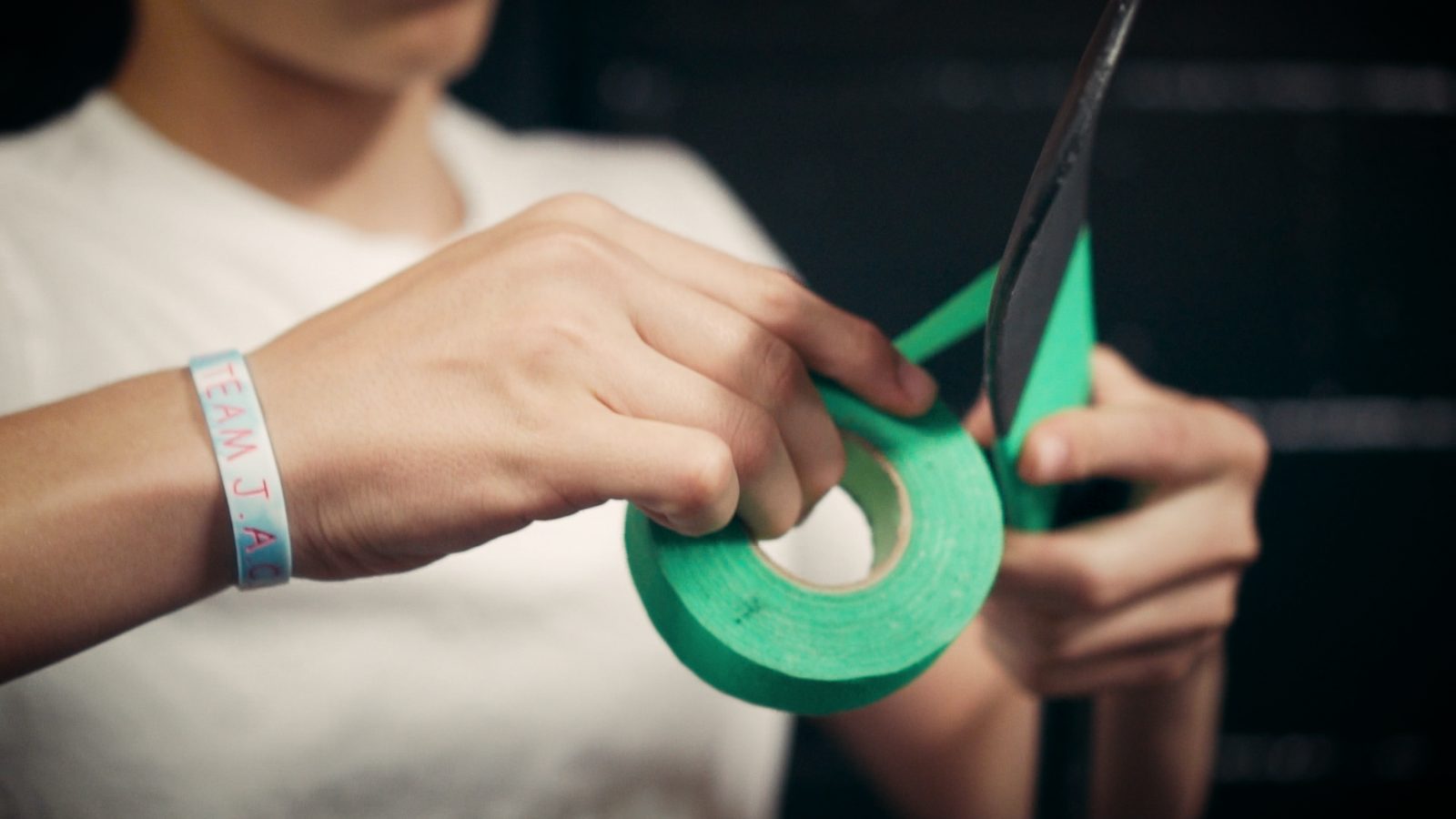
The festival's auditorium at Landmark seats around seventy. The screening drew near‑capacity, and what stood out, what Cathy specifically noted in her report afterward, is that the audience extended beyond the festival's usual regulars. People came in because the conversation around mental health drew them in. Some had no prior connection to the festival circuit. Some had no prior connection to Stu or to the program. They came because the topic was the door, and the cinema was waiting on the other side of it.
The panel
On stage:
- Dr. Stu Gershman, founder of Buddy Check for Jesse
- Kagan Goh, writer and director of Common Law
- Michael Anthony, director of Buddy Check for Jesse
- Haley Leung, Outreach Coordinator, Crisis Response Community Lead (CRCL), New Westminster Purpose Society
- Kevin Takahide Lee, moderator
Haley's presence anchored the panel in concrete local knowledge. She came with what the Purpose Society offers, who in New Westminster they serve, how the CRCL responds. The film opens a conversation. She made sure that for any audience member who wanted to do something next, "next" had an address and a phone number.
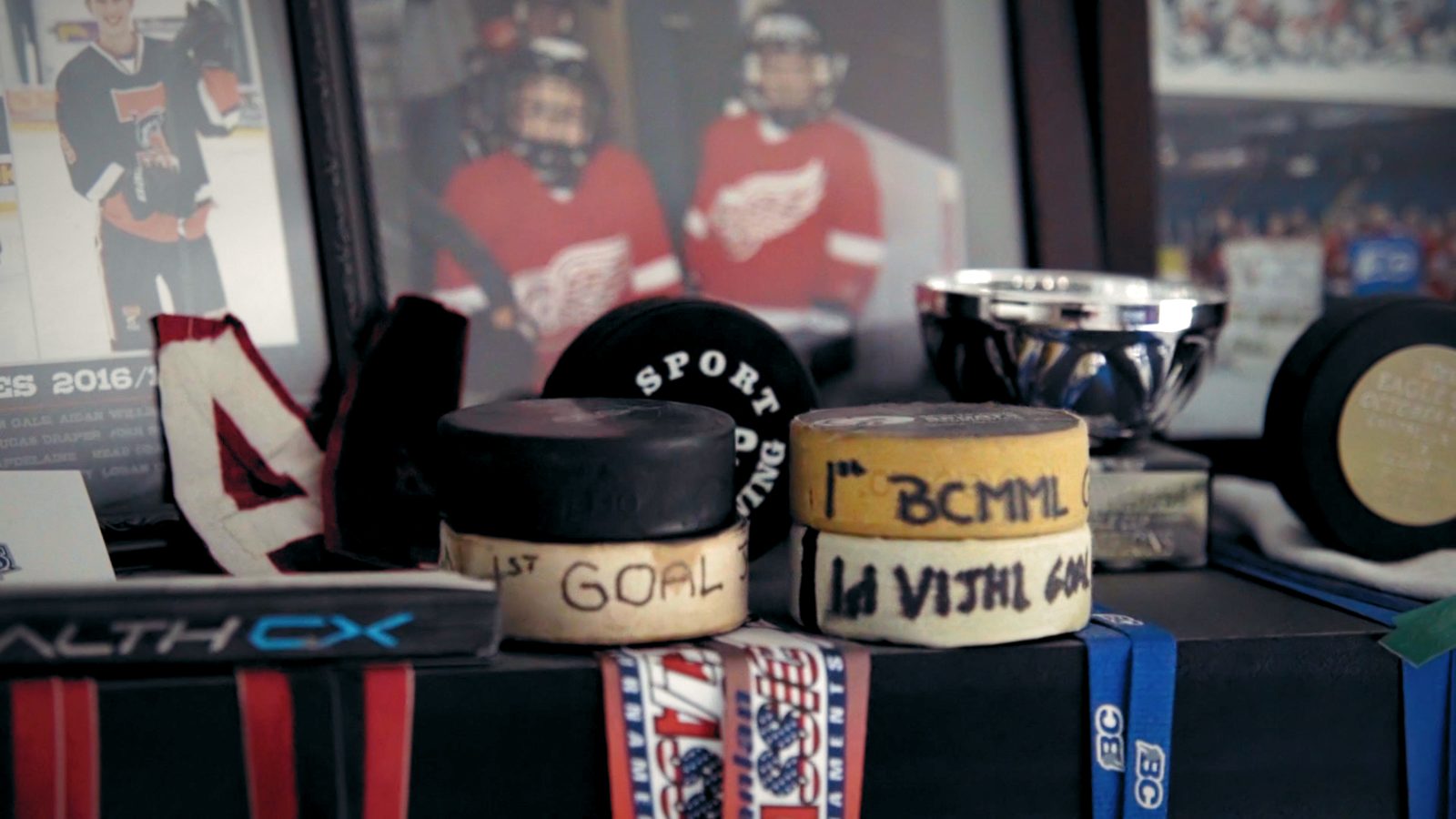
The conversation moved between the two films. Kagan spoke about Common Law, about turning his own diagnosis into a narrative work, about what it meant to write himself onto a screen. Stu spoke about Jesse, about the locker room, about the program. I spoke about the choices the film makes and does not make, and about why we went looking for Stu's story in the first place. Audience questions ran the full length we had been allotted, and then ran longer.
One question from the room I want to record specifically. A young woman near the front stood up and told us she recognized something of herself in Jesse, in the precision of his attention, the gifted‑kid arc, the particular shape of his social world as the film sketches it, and she wanted to know whether Jesse had ever been diagnosed himself. We answered honestly. He likely could have been, but at the time, his family wasn't interested in labels, just in providing support. What she was describing, though, feeling represented in the portrait of him, recognizing herself in his characteristics, is an experience we have heard echoes of from other audiences this fall. It is one of the reasons archive footage of Jesse holds the room the way it does. People see him and recognize people they know, including, sometimes, themselves. Stu and I were both grateful she asked.
What came of meeting Kagan
One concrete thing came out of that afternoon. I am now in development on a documentary series about the Mad Pride movement, with Kagan as one of its subjects.
We met because Cathy paired our films. We sat next to each other on a panel that Sunday in October, listened to each other speak about our respective work, and recognized in each other (the way Stu and I had recognized something five years earlier on a different rooftop in a different city) the start of something worth following. A programmer in New Westminster put two films in conversation. That conversation has now become its own piece of work. That is what programming can do, when programmers take it seriously.
In Cathy's words
Cathy provided a written report on the screening in February 2026. Two of her observations stay with me. She wrote that the audience "included members of the broader community seeking open dialogue around mental health," meaning the screening was doing exactly what we hoped a film‑and‑conversation pairing could do, pulling people in who would not otherwise have come to a festival. And she closed by writing that the event "exemplified the role that independent cinema can play in fostering dialogue, reducing stigma, and strengthening community connection." I quote those lines because they are about the room, not the film. The room is what this tour has been trying to build, in every city we have visited.
What we'll carry forward from this stop
When the curatorial choice is right, the audience composition expands beyond the festival's regulars. When the panel includes a community partner with real local information, the conversation stays useful long after the lights come up. And when programmers build space for people to stay afterward, people stay, and they bring the work with them into whatever they do next.